At HAMCO, we rely on modern manufacturing processes that enable us to deliver high-quality products efficiently and reliably. Our manufacturing processes include three key procedures:
In addition to these core competencies, other manufacturing-related processes such as pad printing the economically attractive manufacture of plastic products with tailor-made properties to meet the individual requirements of various Industries to meet the needs of our customers.
The Immersion process is a Strength of HAMCO. Using this process, we produce a wide range of different Standard and special submerged parts from our Soft PVC Covytec material series which are characterised by their flexibility, chemical resistance, temperature stability and composition. Immersion parts such as Round caps, pull-off caps, Rectangular caps, Edge protection or Handles come in different Industries in use – from the Automotive industry, about the Wire and cable industry until Medical technology.
Thanks to the protective and insulating properties of PVC The submersible parts are ideal for industrial applications where Corrosion protection, protection against UV rays and weathering, mechanical resilience and ease of handling during installation. HAMCO also offers customised special solutions that are precisely tailored to the requirements of the intended use – whether it's special colour requests, special material properties, customised dimensions or printing.
Our PVC immersion parts are manufactured using a salt-free heat transfer system – completely free of lithium nitrate or potassium nitrate – for Maximum purity and safety.
The results are Particularly clean, dimensionally stable and durable PVC immersion parts meet the highest quality standards – manufactured in an environmentally friendly manner, while also improving occupational safety and simplifying disposal.
For interested purchasers, designers and technicians we provide even more detailed knowledge and further helpful information about the Production of PVC round caps or PVC rectangular caps using the dipping process on the linked product pages.
The Coating of metallic components with PVC is the logical modification of the dipping production process. Instead of removing the dipped parts from the dipping moulds, the adhering PVC layer remains on the customer-provided, predominantly metallic components This is known as sheathing, coating or generally as rubberisation.
Soft PVC as a coating material gives the products a smooth, non-slip and robust surface that is easy to clean. Coatings are particularly suitable for Increased safety and service life of components that protect them from corrosion and chemical influences as well as from Damage protect. One Direct coating with soft PVC is in many cases the optimum solution if the dipped parts manufactured using the conventional dipping process cannot fulfil the desired requirements after being fitted to the components.
The coating provides the desired cushioning and scratch resistance and is also a cost-effective solution. We offer a wide range of material options for our coatings from our Covytec material series, from a heat-resistant high-temperature grade to biocompatible PVC coatings with FDA approval - ideal for sensitive applications in medical technology or food processing.
We apply our PVC coating using a salt-free heat transfer system - completely without lithium nitrate or potassium nitrate - for Maximum purity and safety.
The results are Particularly clean, dimensionally stable and durable PVC-coated components, that meet the highest quality standards - manufactured in an environmentally friendly way, with improved occupational safety and easier disposal.
For interested purchasers, designers and technicians we provide even more detailed knowledge and further helpful information about the Production of coatings available on the linked product page.
The Injection moulding process is another important production process that is supported by our In-house toolmaking is optimally supported. Working together, this enables us to produce large quantities of plastic moulded parts precisely and economically. Thanks to our modern injection moulding machines and handling equipment, we are also able to efficiently produce complex geometries. The process generally offers a high degree of flexibility in terms of geometry and material selection. Our Advice prior to commissioning contributes to the fact that individual customer requirements, such as downstream printing of the moulded parts in the pad printing process can be realised.
We have compiled a list of the materials we use most frequently. Material lexicon which provides you with an initial overview of the basic properties and how they differ from alternative materials.
The pad printing process, also known as tampoprint, is very well suited for printing on round, curved or flexible surfaces of soft PVC dipped parts and PVC coatings.
The advantages at a glance
In pad printing, the ink is transferred from an engraved printing plate (referred to as a cliché in our offers) to the curved surface of the Immersion parts or the Coating or the sheathing or rubber coating. The maximum print area is 80 mm in diameter.
Surface pre-treatment is not necessary with the W-PVC Covytec formulations we use.
To ensure our high quality standards, HAMCO is certified in accordance with ISO 9001:2015, which guarantees that all key operational processes are monitored, documented and scrutinised. This enables us to continuously improve our processes and make them more efficient.
In addition to process optimisation, an important aspect of the standard is the focus on customer satisfaction - we are constantly working to make our products and services even better for you!
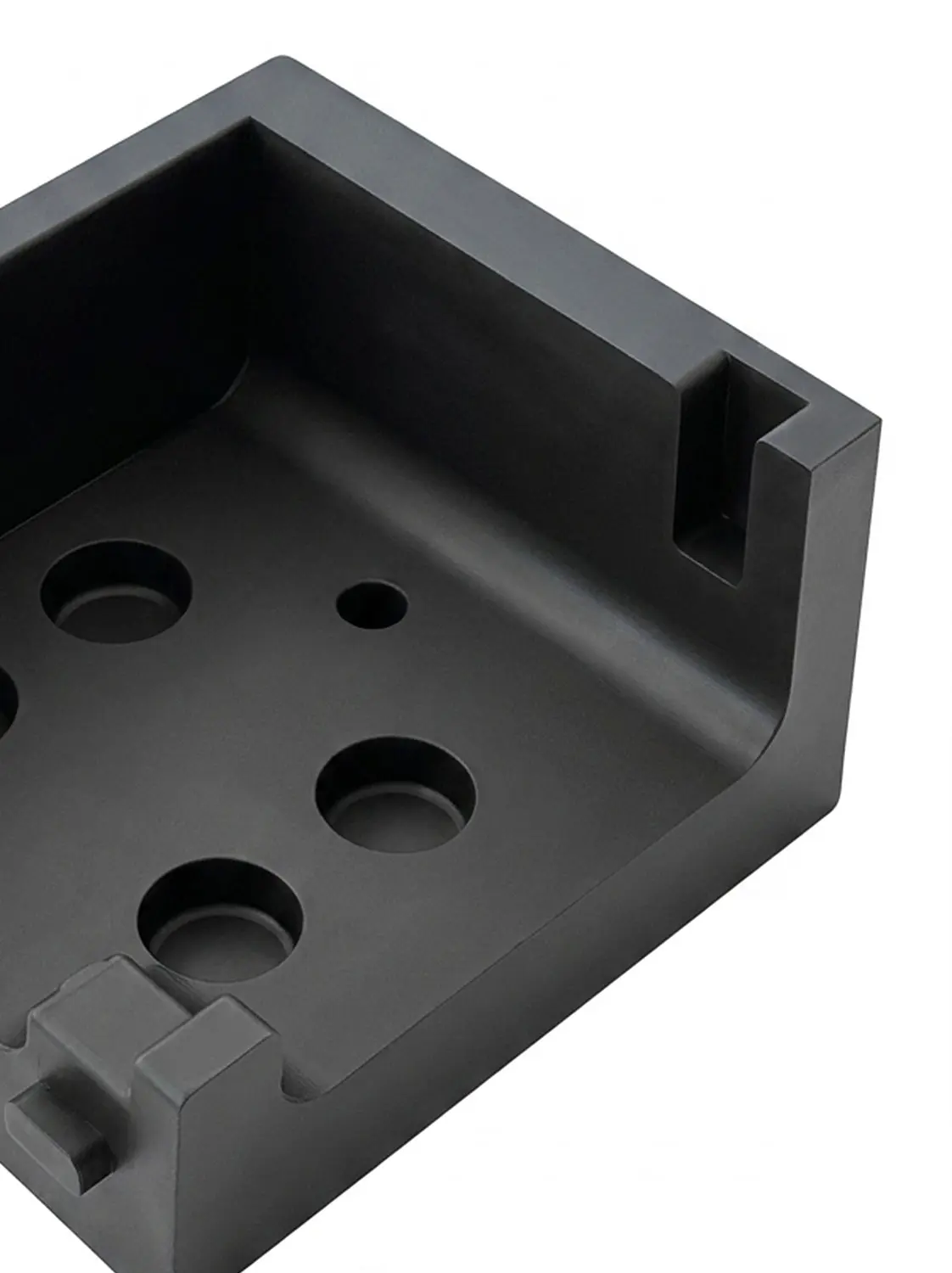
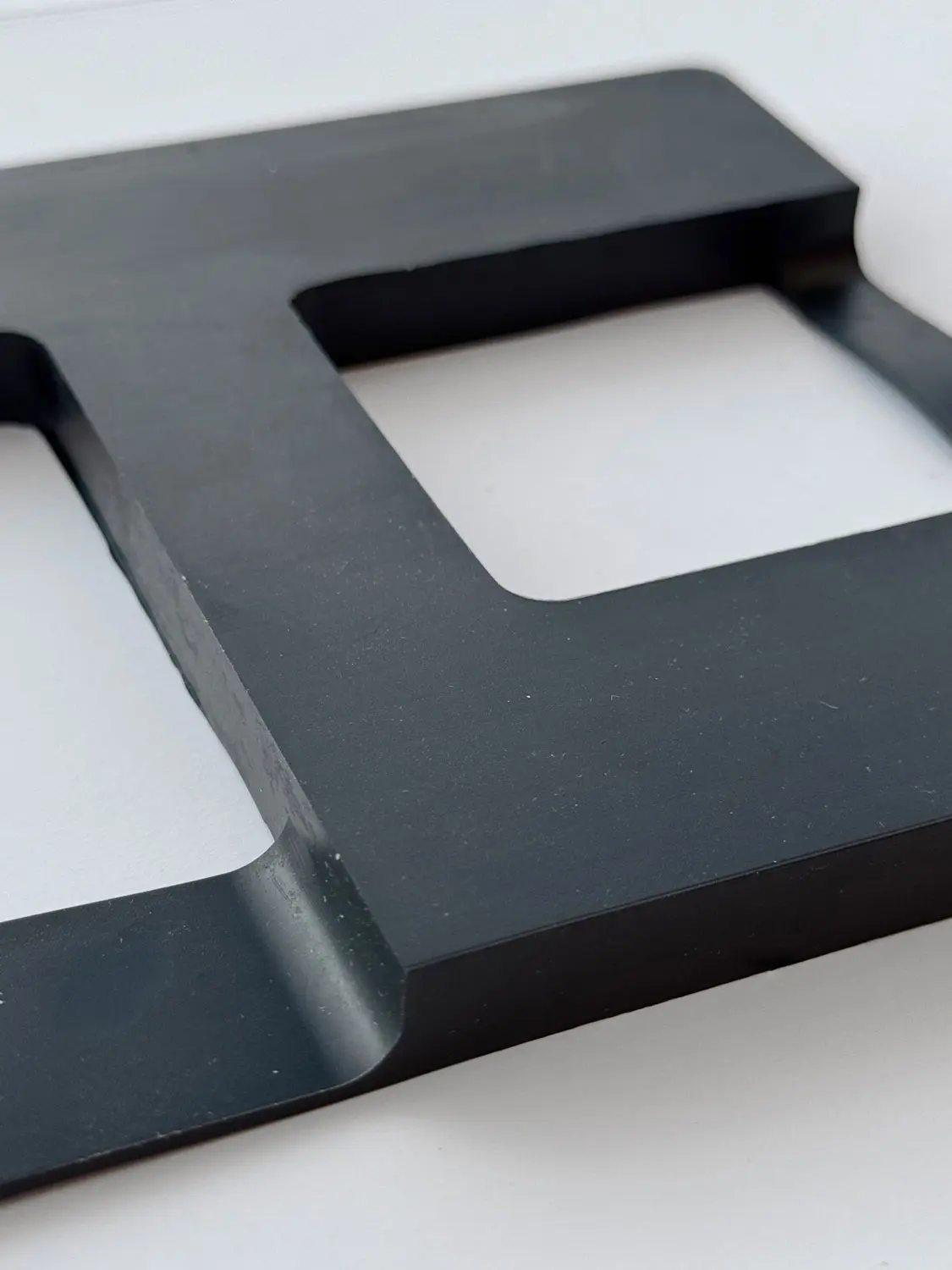
The casting process is a production method in which liquid PVC from the Covytec material range is poured into a cold mould, where it hardens or gels under the influence of time and higher temperatures in the oven and is removed as a finished PVC plastic part.
Any necessary trimming work on the casting can be carried out after cooling with a deburring knife.
Moulding is particularly suitable for thick-walled PVC parts or thick-walled PVC parts with large differences in wall thickness.
Cast parts have a uniform material structure and a good reproduction accuracy of the technically rough mould surface. However, particularly in areas where the cast PVC material is not in direct contact with the mould, the surface of the cast part can appear uneven.
The casting process is not suitable for visible parts with e.g. grain or high-gloss polish due to the unpressurised manufacturing process.
Due to the long cycle times, the casting process is particularly suitable for the realisation of smaller, repetitive series or for smaller quantities.
The advantages at a glance
Do you have any questions or special requirements? Feel free to contact us! Our team is at your disposal to realise your projects together and support you from planning to implementation.
Large and small quantity requirements Direct processing
Large and small quantity requirements
You are currently viewing a placeholder content from Vimeo. To access the actual content, click the button below. Please note that doing so will share data with third-party providers.
More InformationYou are currently viewing a placeholder content from YouTube. To access the actual content, click the button below. Please note that doing so will share data with third-party providers.
More InformationYou need to load content from reCAPTCHA to submit the form. Please note that doing so will share data with third-party providers.
More Information