
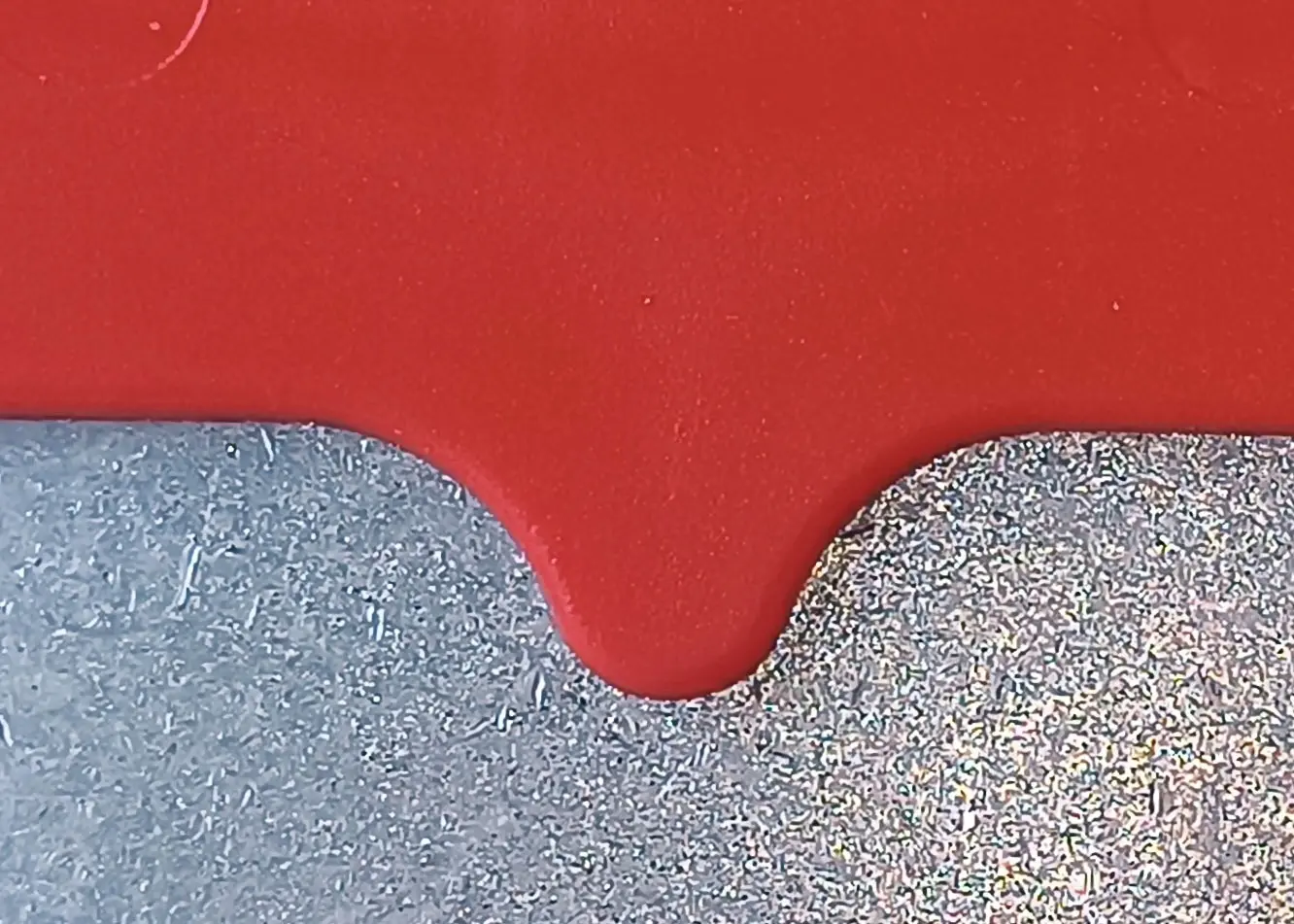
Multi-component injection moulding is often associated with high production volumes and fully automated series production processes. In fact, traditional two-component moulds are primarily used when the comparatively high moulding costs can be recouped through large production volumes. Here at HAMCO, we demonstrate that the benefits of multi-component technology can also be utilised economically for small and medium-sized production runs. With well-thought-out mould designs and our expertise in 2K technology, we develop solutions that optimally combine functionality, quality and cost-effectiveness.
This offers designers and technical buyers the opportunity to combine several functions directly within a single component, without having to invest in a complex two-component mould. Particularly for new developments, variant production or products manufactured in limited quantities, we create cost-effective alternatives that can be flexibly adapted to our customers’ requirements.
Multi-component injection moulding in two production stages
Not every application requires a conventional two-component mould. That is why – depending on the production volume and project requirements – we opt for a cost-effective manufacturing approach involving two consecutive injection moulding processes. First, we produce the hard component in a separate mould. This component is then placed into a second mould and overmoulded with a soft component or another hard component.
At first glance, this approach appears more labour-intensive than an automated two-component process. In practice, however, the economic benefits often outweigh the costs for smaller production runs. As both moulds are significantly simpler in design than a conventional multi-component mould, investment costs are reduced considerably. At the same time, the necessary flexibility is retained to implement changes to the product or produce different variants cost-effectively.
Functional components without compromise
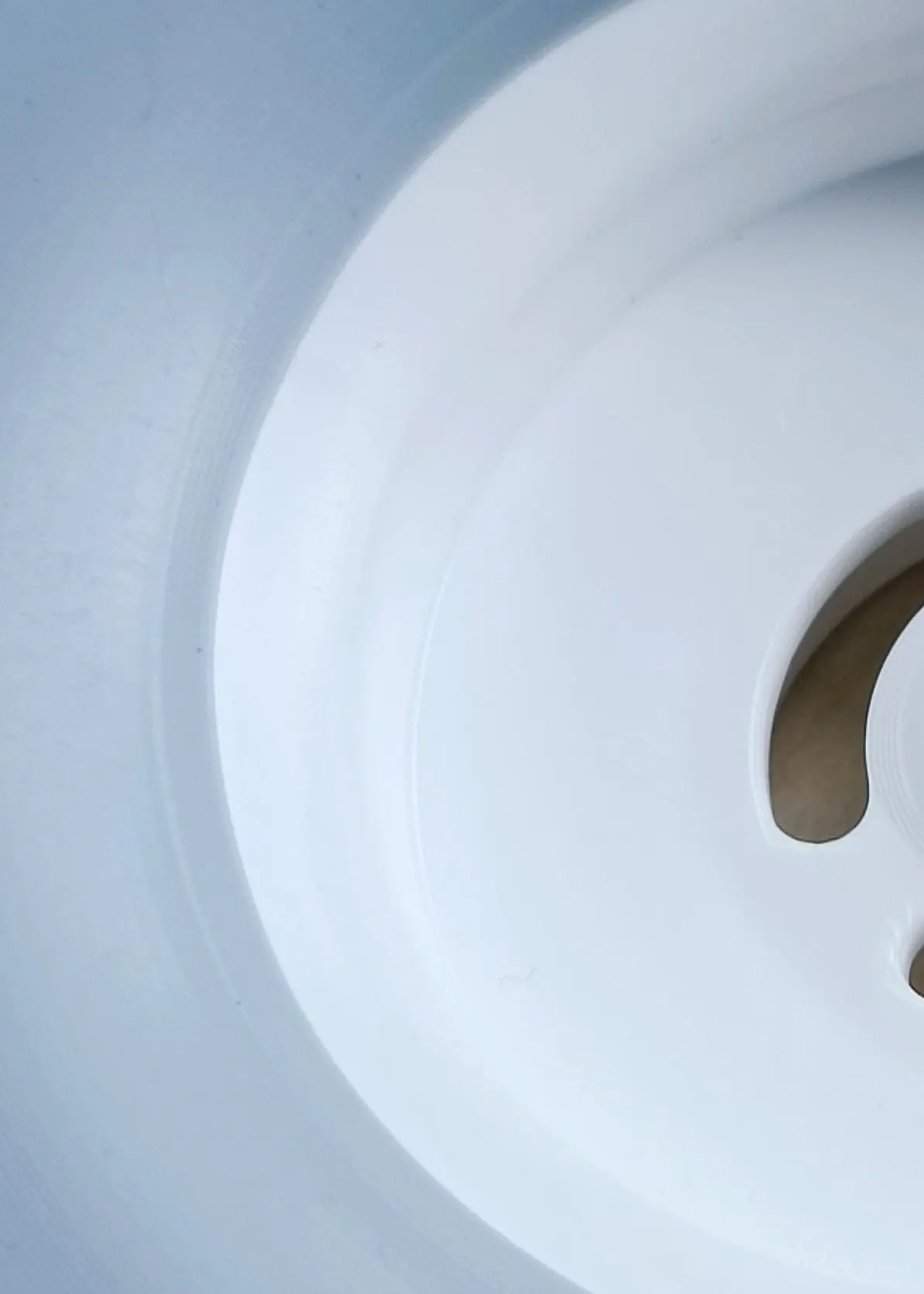 Even though production takes place in two stages, the result is high-quality multi-component parts with the desired functional properties. This requires the manufacturing process to be taken into account at an early stage, right from the design phase. That is why we support our customers right from the development phase and contribute our expertise in component and tool design at an early stage.
Depending on the combination of materials, a permanent bond is formed between the two components. Alternatively, the connection can be achieved using specifically designed form-fit geometries. This makes it possible to combine different material properties within a single component – for example, rigid and elastic regions, or components with integrated sealing functions.
For us, close coordination between design, toolmaking and injection moulding production is a key factor for success. Even minor adjustments to the component geometry can simplify production, increase process reliability and significantly improve cost-effectiveness.
Typical areas of application
Our solutions are suitable for a wide range of technical applications where different materials need to be combined. A typical example is dry urinals with an integrated sealing function. Here, the rigid component forms the stable base structure, whilst an elastic seal is injection-moulded directly onto it in a second manufacturing step. There is no need for additional sealing elements or subsequent assembly steps, which benefits both the assembly process and component quality.
We also manufacture plastic components with metal inserts cost-effectively. Threaded bushings or reinforcing elements are precisely positioned and then overmoulded. This results in robust hybrid components in which plastic and metal make the most of their respective advantages.
Another area of application involves components with different material properties. Whilst individual areas ensure high stability, other zones can be specifically designed to be elastic in order to fulfil sealing, damping or grip functions. In this way, several individual components are combined to form a single functional component.
Economic benefits for smaller production runs
This manufacturing concept offers economic advantages, particularly for smaller production runs. The tooling costs are significantly lower than for a conventional two-component mould, meaning that the investment pays for itself even with modest production volumes. At the same time, sufficient flexibility is retained to implement product variants or design changes without having to redevelop the entire mould concept.
The overall cost of a product can also be reduced. If functions are integrated directly into the injection-moulded part, the number of individual components is reduced. This simplifies assembly, shortens process times and minimises potential sources of error. For technical buyers, this means not only lower manufacturing costs but also greater process reliability throughout the entire value chain.
